In Defence of Magic: Why 2 + 2 Can Equal 5

Once upon a time, back in the late Middle Ages, science made a colossal whoopsie. It looked at alchemy — that glorious dream of turning boring lumps of metal into gleaming gold — and sniffed, "Nah, doesn't work." For centuries, people had been gleefully bubbling cauldrons and cackling in basements, trying to pull off the ultimate party trick. When it didn't happen quite the way they'd doodled in their notebooks, they shrugged, kicked over their cauldrons, and went home.
Then Newton swaggered in and made everything worse. Thermodynamics! Conservation of energy! Science leaned over and whispered its most soul-crushing idea into our collective ear: You can't create something out of nothing, you cheat! You can't conjure precious metal from cheap metal. You can't whip up energy in one place without murdering it somewhere else. All of which is perfectly, boringly true in the cramped little kingdom of physics — but hopelessly wrong the moment you tap into the wild wonderland of psychology.
In psychology, those dreary laws get thrown out the window. One plus one can merrily equal three. Or seventeen. Or a llama. It's party time and the usual bouncers aren't on duty.
Then the economists caught the same sad bug. "There's no such thing as a free lunch," they intoned, polishing their glasses and looking insufferably smug. The tragic result? Nobody believes in magic anymore. But here's the delicious, mischievous secret: magic is still absolutely real. It just packed its bags and moved out of physics and chemistry. You'll now find it in psychology, biology, and the science of perception. And the best bit? Anyone with a bit of imagination can whip up a fresh batch.
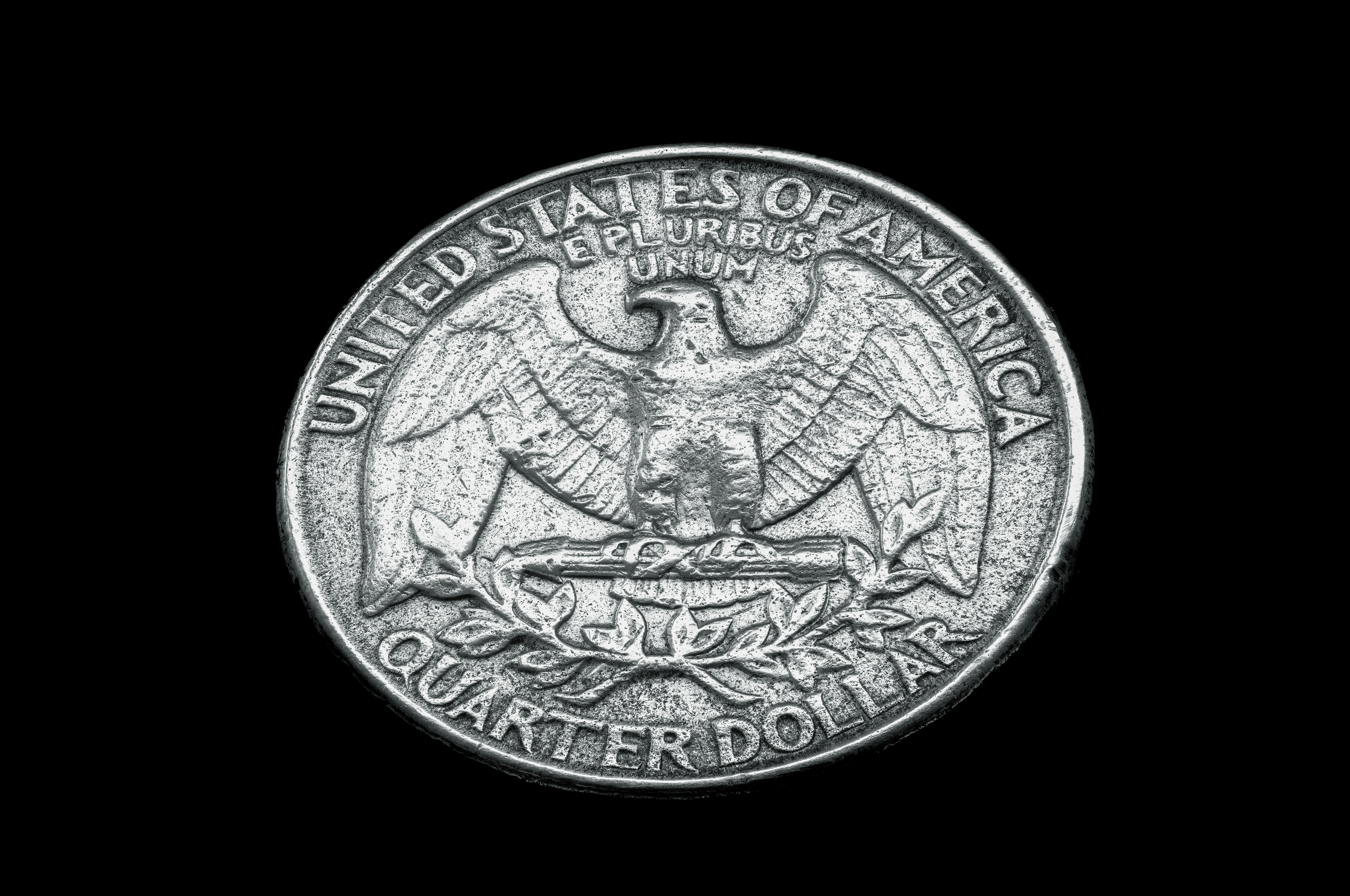
The 25-Cent Coin That Went to Hollywood
And ad agency used to set aspiring copywriters a tiny, devilish test. One question was a thing of minimalist beauty: "Here are two identical 25-cent coins. Sell me the one on the right."
One savvy candidate didn't miss a beat. "Easy. I'll take the right-hand coin, dip it in Marilyn Monroe's handbag, and then sell you a genuine 25-cent coin once owned by Marilyn Monroe." Same grubby coin, entirely different aura, infinitely more desirable. That's not salesmanship — that's alchemy with a wink.
In maths, 2 + 2 = 4, and the teacher will rap your knuckles if you argue. In human psychology, 2 + 2 can equal anything from negative three to a gazillion. It's entirely up to you. You're the one holding the wand.
Here's the fundamental, brain-tickling truth: we don't value things. We value what things mean. What something is gets bossed around by physics. What something means gets whispered into our ears by the far more interesting gremlins of psychology.
The Magic Show That Economists Keep Missing
Wine genuinely, provably tastes better when it's poured out of a heavy, expensive-feeling bottle. Painkillers actually pack more punch when people think they cost a fortune. Almost anything becomes wildly more desirable the moment people suspect it's rare, exclusive, or about to disappear. And stuff somehow feels more enjoyable just because a famous brand name is stamped on it. This isn't mass delusion—it's your brain doing back-flips. Magic, served neat.
Companies that sprinkle magic dust on everything they touch — Apple, Disney, etc. — routinely dominate the lists of the world's most valuable, most profitable brands. You'd think economists might have glanced up from their spreadsheets by now and noticed. But no. They're still muttering about free lunches.
And here's the genuinely sad bit: nobody in public life believes in magic, or trusts anyone who peddles it. Propose a solution where the gain in perceived value absolutely dwarfs the actual cost, and people either think you're delusional or — worse — suspect you're running some kind of con. This is why marketing gets approximately zero credit in the business world. When it conjures genuine, goosebump-inducing magic, it's far more socially acceptable to mumble something pious about logistics or cost-control and pretend the spell never happened.
This allergy to magic isn't just a shame — it's a disaster. Governments find themselves trapped, yanking the same two rusty levers over and over: legal compulsion and economic incentive. Meanwhile, solutions that might be cheaper, gentler, and about a thousand times more effective sit ignored in the corner, waving frantically.

Stop Staring at the Train and Look at the Passenger
Case in point: recent governmental drives from several countries to upgrade the railway to high-speed trains, shaving off some time from the conventional travel. I appreciate in huge countries, like China, this makes sense as distances are rather big, but for the majority of small to midsize countries this would save 1-2 hours on an average typical trip linking the two or three most important cities in a country
Sound logical, right? But here's the awkward cough in the room. Building high-speed tracks, upgrading and running new trains requires a staggering mound of cash, and the digging and building will drag on for eons. Yes, the new trains will shave about an hour or two off each journey. Fab. Except we'll all be twiddling our thumbs for a decade to enjoy this gain. Waiting a whole decade to save 60 minutes? That's not a proposition—that's a test of patience designed by a particularly cruel psychologist.
Now, behold a magical alternative. One that would chop a typical 300 mile journey by about 40 minutes, boost capacity on existing trains, take roughly six months to implement, and cost a microscopic $250,000.
The magic is laughably simple. Stop obsessing over the logistics and peek through the passenger's eyeballs instead. To cut journey times by 40 minutes, you don't need to make the train hurtle faster — which is, let's be honest, already the comfiest, most pleasant part of the whole palaver. You just need to slash the time people waste festering at the station waiting for the train. If their door-to-door journey is 40 minutes quicker, they've saved 40 minutes. Who on earth cares whether the saving happened on the platform or on the tracks?
Here's the plan. Right now, most advance-ticket buyers get a lovely discount — but they're handcuffed to a specific train. Miss it, and your ticket becomes worthless confetti. So people, quite rationally, build in a whopping great safety buffer and pitch up at the station a full 45 minutes early. In those 45 minutes, two earlier trains typically glide out of the station. And guess what? They often have empty seats.
All you need is a cheeky little mobile app. It lets you hop onto one of those earlier trains when spare seats are available, in return for a small, entirely voluntary payment. Sure, it won't work every time — sometimes those earlier trains will be rammed—but most of the time it's a ludicrously easy way to vaporize 20 to 40 minutes of soul-sapping station loitering. And as a delicious bonus? It boosts network capacity too, because previously empty seats get filled with actual humans, and the vacated seats on later trains can be flogged to someone else.
The Silence of the Spreadsheets
As far as I know, precisely nobody has taken this suggestion seriously. Not a peep. Why? Because it doesn't fit inside the narrow, metric-choked brains of transport analysts. Their entire universe of "time-saving" revolves around time spent in motion. Trains going faster. Wheels spinning quicker. Aerodynamics. Graphs. Stopwatches. The idea that you could save time by thinking magically about psychology rather than mechanically about physics? It doesn't compute. It doesn't even register as a blip on their radar.
The alchemists had the right idea all along. They were just stirring the wrong cauldron. The real magic isn't in transmuting metals—it's in transmuting meaning. And that, dear reader, is a trick we can all learn to pull off.