Why Maths Is Brilliant (Until It Isn't)

Why Maths Is Brilliant (Until It Isn't)
Mathematics is a glorious, magnificent thing—when it's done well. When it's done badly, though? You'd genuinely be better off running your business with a troupe of juggling mimes than with a mediocre mathematician. Here's the sneaky problem: every time you merrily average, sum, or multiply a bunch of data, you're quietly tossing chunks of the real story into the bin. And watch out—one cheeky extreme value can waltz in and completely trash the picture.
Imagine Bill Gates strolling into a packed football stadium. Boom! The average wealth of everyone present instantly rockets up by about a million dollars per person—yet absolutely nobody else's bank balance even twitched. Thanks, maths!

When 10 × 1 Isn't the Same as 1 × 10
On paper, 10 × 1 and 1 × 10 are mathematical twins—identical, interchangeable, best friends forever. But reality? Reality laughs at such tidy nonsense. Tricking ten people once is child's play. Convincing one person ten separate times? That's a whole different rodeo. Which begs the delicious question: how many of our everyday assumptions rely on mathematical equivalences that completely fall apart the moment actual humans enter the room?
Here's a fun example: hiring. Suppose I claimed this same quirky insight could magically improve diversity in recruitment. Cue skeptical eyebrows. But watch what happens. Picture an organization with ten shiny vacancies. Option A: ask ten different managers to hire one person each. Option B: ask a single manager to build an entire team of ten. Looks identical, right? Nope—wildly different outcomes.
A manager assembling a whole team naturally hunts for a colorful mix of skills and personalities. They're casting a ensemble, not picking a lone star. But someone hiring just one person? They almost always reach for the safest, most boringly conventional option. Teams thrive on complementarity; solo picks reward playing it safe and looking like everyone else.
The Potato Principle
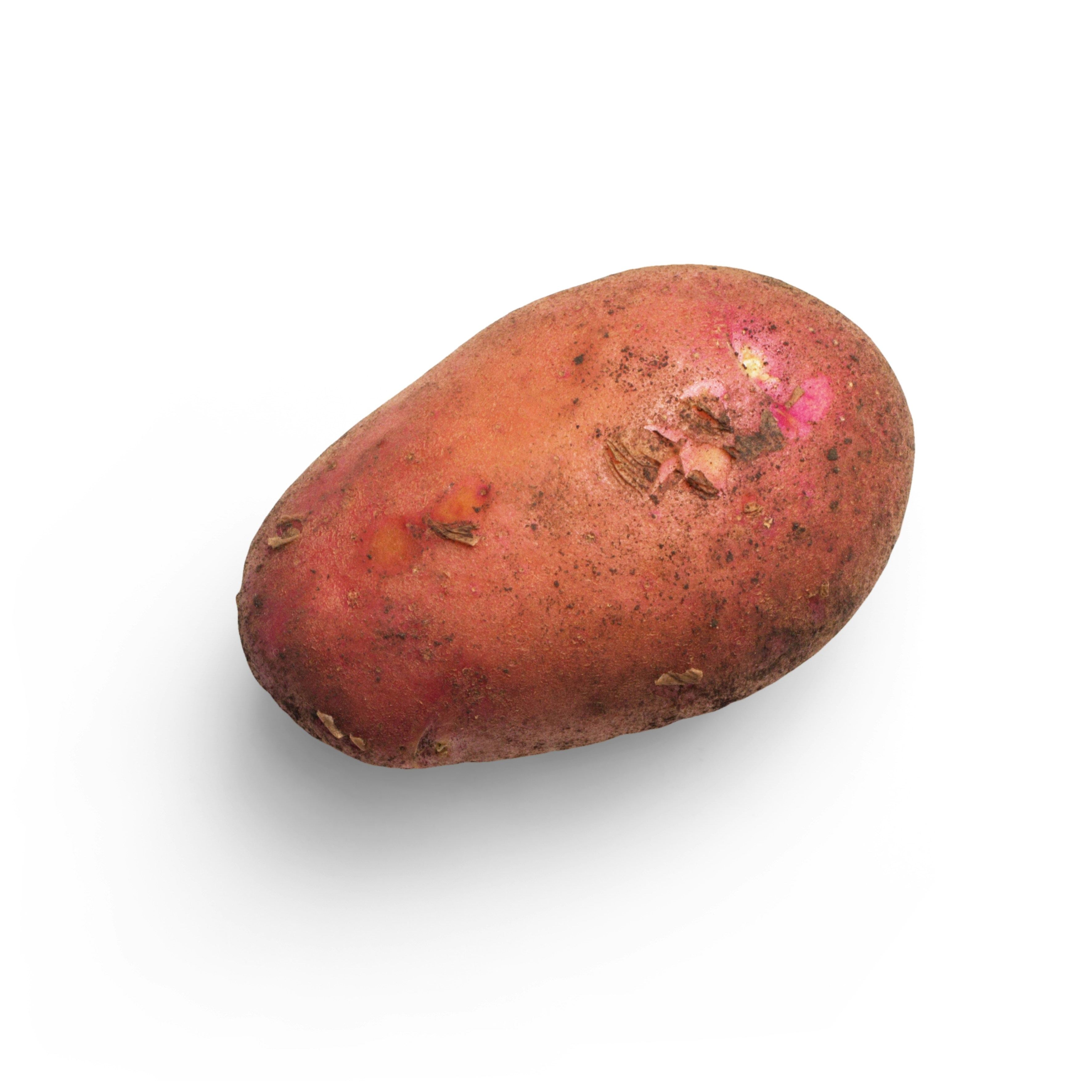
Let's talk food. If a villainous genie forced you to survive on a single ingredient forever, potatoes would be a surprisingly solid choice—they pack most of the nutrients needed to keep a human upright and grumbling. Sure, a few bits are missing, but spuds will do the job. Yet if that same genie instead told you to pick ten foods for life, would you choose ten types of potato? Of course you wouldn't. You'd go for glorious variety—nutritional, textural, and deeply experiential. Suddenly, maximizing a single source of efficiency looks downright depressing.
Recruitment works the exact same way. Hiring one person? Organizations get weirdly nervous. A bad hire is glaringly visible and oh-so-easy to pin on someone, which makes decision-makers about as adventurous as a tortoise in a thunderstorm. But hiring a whole group? Suddenly the stakes feel spread around. One or two duds? No biggie—the overall result can still sparkle. This shift in perceived accountability unlocks a spirit of experimentation when hiring in bulk, while single hires stay stuck in the land of predictable, beige choices. Solo recruitment becomes a festival of playing it safe, prizing safety over sparkle.
Your Brain on Recruiting (The Sneaky Subconscious Bits)
And here's the thing nobody admits: hiring decisions aren't driven just by careful reasoning. There's a sneaky gap between what recruiters think they're optimizing for and what actually yanks their strings. Consciously? We want the strongest candidate. Subconsciously? We desperately, feverishly want to avoid an obvious disaster. This creates a magnetic pull toward low-variance candidates—people who won't faceplant spectacularly—even if a higher-variance wildcard might have far more glorious long-term upside. Recruitment systems end up handing gold stars to the familiar and side-eyeing anyone who deviates from the norm.

Two Homes Are Better Than One
The same weird logic shows up in house-hunting. Shopping for a single home within a budget? Buyers obsessively balance everything: size, location, comfort, practicality. Every box must be ticked by one poor property, so the final choice is usually sensible, conventional, and a tiny bit boring. But give someone the same budget to buy two homes instead? Suddenly the game changes completely. Buyers start optimizing across a portfolio rather than a single asset, gleefully picking properties with wildly different superpowers—a snazzy city-center flat paired with a tranquil countryside hideaway. The tyranny of the all-purpose solution gets booted out; complementary diversity sets in.
When Fairness Accidentally Creates Sameness
Those big, knotty social concerns—declining mobility, rising inequality, the eerie sameness of people in power—may partly sprout from systems designed with the very best intentions. Equal treatment is a noble principle, absolutely. But applying identical criteria everywhere can quietly squeeze the variety out of outcomes. When everyone's measured with the same ruler, you tend to keep picking the same type of person. In our quest to scrub randomness from selection processes, we may accidentally scrub away the lovely, surprising diversity that randomness sometimes delivers. We end up with a tension between fairness-as-consistency and fairness-as-opportunity-for-difference. Awkward.
The One Weird Trick of Professional Success
Ultimately, professional glory doesn't usually come from being pretty good at everything. Nope. A single standout strength—spotted, nurtured, and unleashed in just the right context—can be enough to produce something genuinely extraordinary. So maybe we should stop worshiping the average and start celebrating the wonderfully lopsided.