Why asking dumb questions is secretly genius
Last time we chatted about how vanilla market research can be about as useful as a chocolate teapot — sometimes even worse than useless. So here's a tip: if you really want to make your super-rational colleagues twitch with irritation, kick off a meeting by asking a question so childishly obvious it makes people roll their eyes. The fact that sensible grown-ups never ask questions like this is exactly why you absolutely should.
You will never, ever uncover those juicy unconscious motivations unless you build a little playground where people can ask apparently ridiculous questions without fear of looking like a complete turnip.
"Why do people hate waiting for a technician to show up?"
"Why do people get grumpy when their flight is delayed?"
"Why do people hate standing on trains?"
These questions sound eye-rollingly simple — and that's precisely the trap. Our clever, rationalizing brains leap at the chance to cough up a plausible answer. But here's the thing: just because there's a sensible, rational explanation doesn't mean there isn't a much more fascinating, delightfully irrational answer hiding in the unconscious shadows.

The Ice Cream Mystery
"Why do people mostly buy ice cream in summer?" seems like the most boringly redundant question on Earth. "To cool down on a hot day, duh!" Sounds perfectly reasonable—except actual human behavior giggles and says otherwise. For starters, sunshine predicts ice cream sales way better than temperature does. And to really scramble your brain: the three European countries that gobble the most ice cream per person? Finland, Sweden, and Norway. Yep, the chilly ones. One cheeky possibility: maybe people need the excuse of a "special occasion" to justify a treat. Perhaps a sunny day in Sweden is rare enough to hand out that precious permission slip?
Why Do People Actually Visit the Doctor?
"Why do people go to the doctor?" sounds like the dumbest question imaginable — until you realize it absolutely isn't. Because they're ill and want to get better? Sure, sometimes. But lurking beneath that tidy rational surface is a whole carnival of other motivations. Maybe they're worried sick and just want someone to say "you'll be fine." Some folks just need a scrap of paper to prove to their boss they weren't faking. Plenty of people secretly want someone to make a fuss of them. Perhaps what they're mostly hunting for isn't treatment at all — it's reassurance. And this distinction really matters. After all, surprisingly few people make unnecessary trips to the dentist. Funny, that.
If you genuinely want to tackle the problem of unnecessary doctor visits — or simply figure out who should see the doctor first — you absolutely must factor in those sneaky unconscious motivations alongside the polite post-rationalizations people tell themselves. Some problems could be sorted with a quick phone call. Other visits could be gently postponed until the person has probably recovered naturally. During a flu outbreak, you might even leave a cheery answerphone message listing symptoms and telling younger, less vulnerable folks what to do. Once people know an illness is everywhere, they feel way less anxious about being ill — and far less desperate for a reassuring doctor's appointment. "There's a lot of it about" is weirdly comforting all by itself. (What you definitely don't want your doctor to say: "This is absolutely extraordinary — I've never seen anything like it in my entire career!"
The odd thing? Everyone is much happier pretending that the post-rationalized reason — "to get better" — is the only one that matters. But if you want to change how people behave, listening to their sensible, rational explanation can lead you cheerfully down the wrong path, because it's not the real why. Trying to shift behavior through pure logic can be hopelessly ineffective, even counterproductive. In vast swathes of human life, reason barely gets a look-in. Understanding the unconscious obstacle to a new behavior and quietly removing it—or cleverly reframing the context—works about a hundred times better.
The Toothpaste Conspiracy
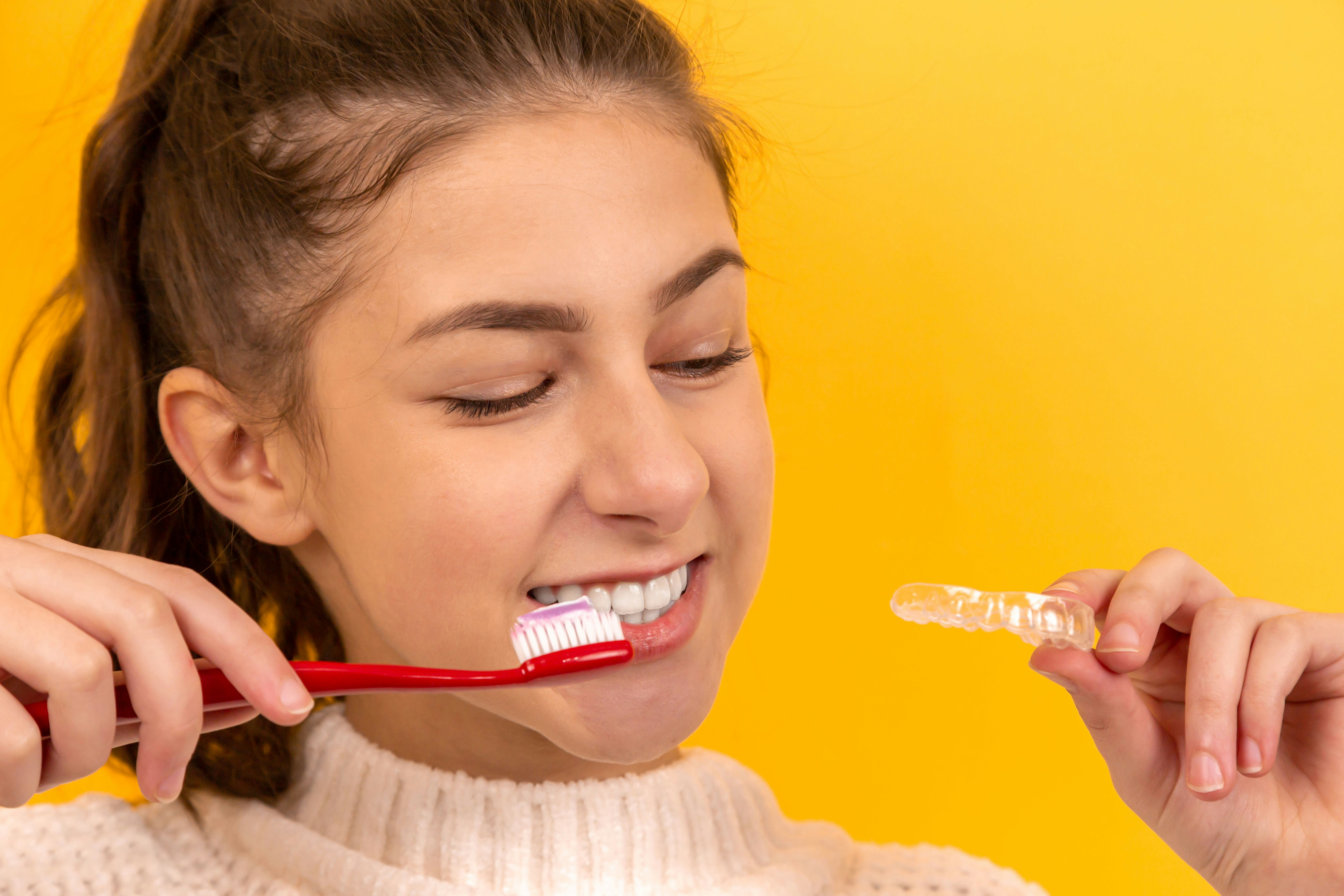
Here's a glorious example of human behavior that has both an "official" medical purpose and a deep, murky psychological explanation — and it beautifully shows how a logical, rational story can completely drown out the unconscious, evolutionary one. It begins with another beautifully childish question: "Why do people clean their teeth?"
Obviously for dental health! To dodge cavities, fillings, and the dreaded drill. What other possible answer could there be? Well, if you peek at actual adult behavior — how we choose, buy, and use toothpaste — you'll spot consumption patterns that gleefully contradict this tidy explanation. If we truly wanted to minimize tooth decay, we'd brush after every single meal. Yet almost nobody does this. In reality, the moments we're most likely to scrub our pearly whites are right before situations where we're terrified of the social shame of visible gunk or dragon breath.
Be honest now: when are you most likely to clean your teeth? After eating ice cream, or when you're about to go on a date?* You might brush like a maniac before a big presentation, or before meeting someone for a romantic dinner. After scoffing a chocolate bar at home on the sofa in the evening? Maybe not so much. Still skeptical? Ask yourself one question: why is virtually all toothpaste flavored with mint? A recent trial proved there were zero dental-health benefits to flossing. I imagine floss manufacturers briefly panicked — but they can relax. I confidently predict this finding will have almost zero effect on people's flossing habits. They weren't really doing it for health reasons in the first place.
The Stripy Toothpaste Mystery
Even stranger than our brushing behavior is our collective obsession with stripy toothpaste. When the first striped paste appeared — a product called Stripe — it sparked a frenzy of debate about how on earth it was made. People dissected empty tubes; others froze full ones and sliced them open to admire the cross-section.* But the truly weird thing? Nobody ever asked "Why?" After all, the moment toothpaste enters your mouth, all the ingredients smoosh together anyway. So what was the point of keeping them separate in the tube?
Two explanations: 1) simple, childlike novelty, and 2) psychology. Psychologically, those stripes act as a clever little signal. A toothpaste claiming to do multiple jobs — fighting cavities, tackling infection, freshening breath — seemed far more convincing if it contained three visibly separate active ingredients. People are generally wowed by any visible extra effort baked into a product. Simply saying "this washing powder is better than the old one" is a hollow, yawn-inducing claim. But replace that powder with a gel, a tablet, or some other funky new form? The visible cost and effort make it way more plausible to the buyer that something genuinely new and clever is going on inside.
The Great Rational Cover-Up
Toothpaste is such a delicious example because when an unconscious motivation just so happens to perfectly align with a rational explanation, we automatically assume it's the rational motive driving the whole show. So often, social or peer pressure nudges us to justify our actions with that sensible, boring, rational-sounding story—because it helps us feel like we belong. But if we take what people say at face value and try to use it to influence their decisions, we may be rather surprised by their reaction. And not in a good way.
P.S. Now be honest—when did you last brush your teeth? Thought so.